Epoxy Flooring & Paint Masking Training Programs


Empowering young adults with epoxy flooring and paint masking skills to create stable futures, stronger families, and thriving communities.
Two-Week Epoxy Floor Trades Program
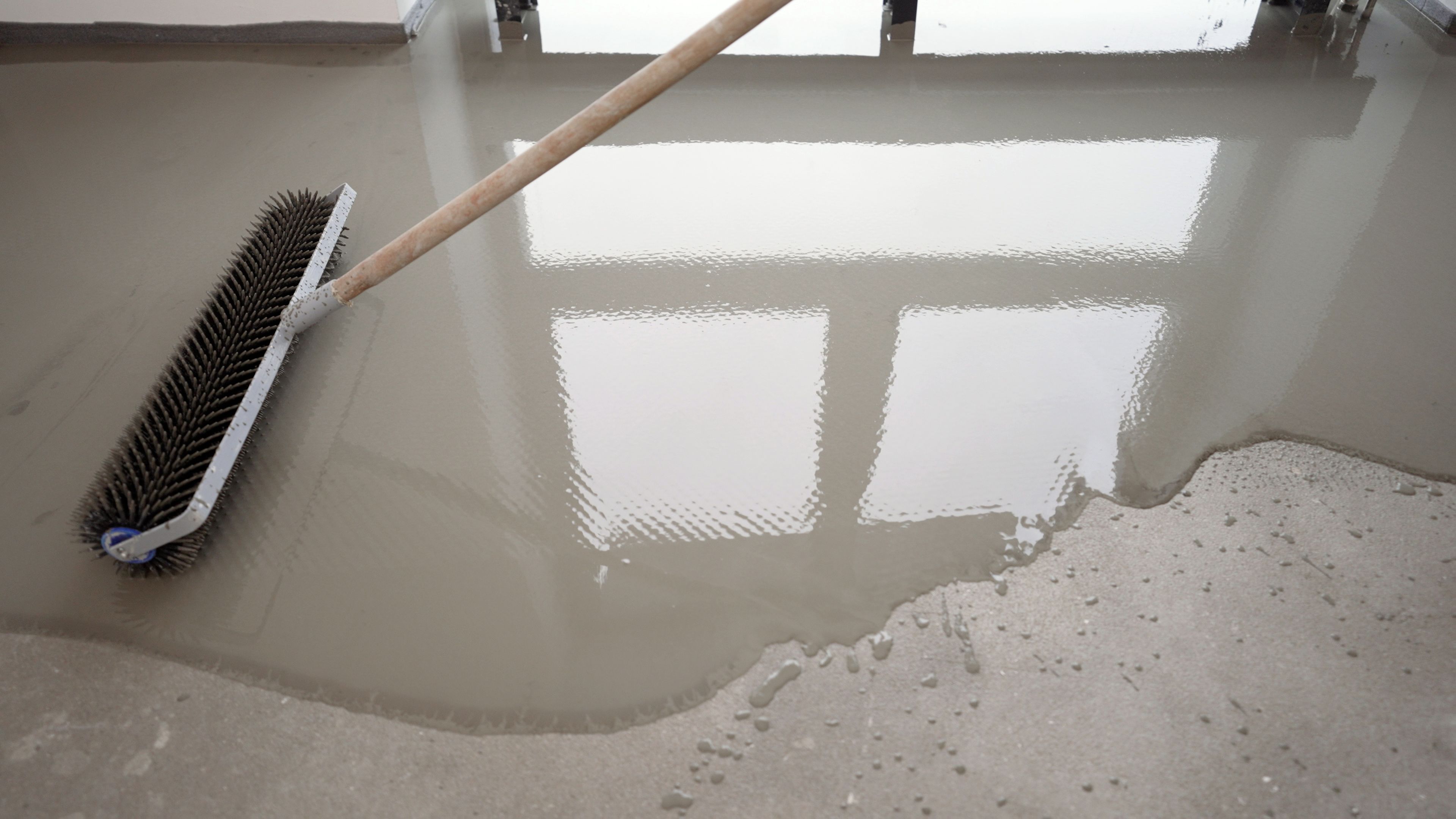
Week 1: In-Class Training & Preparation Workshops
Day 1: Introduction to epoxy flooring, jobsite safety, and trade expectations (2 hours)
Day 2: Surface preparation fundamentals I (4 hours)
Day 3: Surface preparation fundamentals II (4 hours)
Day 4: Mixing and applying epoxy (4 hours)
Day 5: Applying sealer & quality control (4 hours)
Week 2: On-the-Job Training (Hands On)
Day 6-10: Applying all in-class training on jobsite (approximate 4 hours per day on jobsites)
On-The-Job Training Program
A two-week (10 day) introductory epoxy flooring program should teach participants the fundamental mechanics, safety standards, materials, tools, surface preparation, mixing, application, and finishing basics required to understand entry-level epoxy floor installation.
The goal is not to make someone a master installer in ten days, but to give them a strong working foundation in how epoxy systems function, how floors fail when prep is poor, how to handle materials safely, and how to complete a basic installation with professionalism and care. By the end of the two weeks, trainees should understand the workflow from jobsite setup to final cure, while developing good habits around safety, quality control, teamwork, and jobsite discipline.
Key teaching principle
The most important lesson in our program is this:
A great epoxy floor starts long before the coating is poured.
If trainees truly understand prep, safety, mixing accuracy, and clean application habits, they will have the right foundation for more advanced field training.
Two-Week Paint Masking Trades Program
One-week paint masking program outline
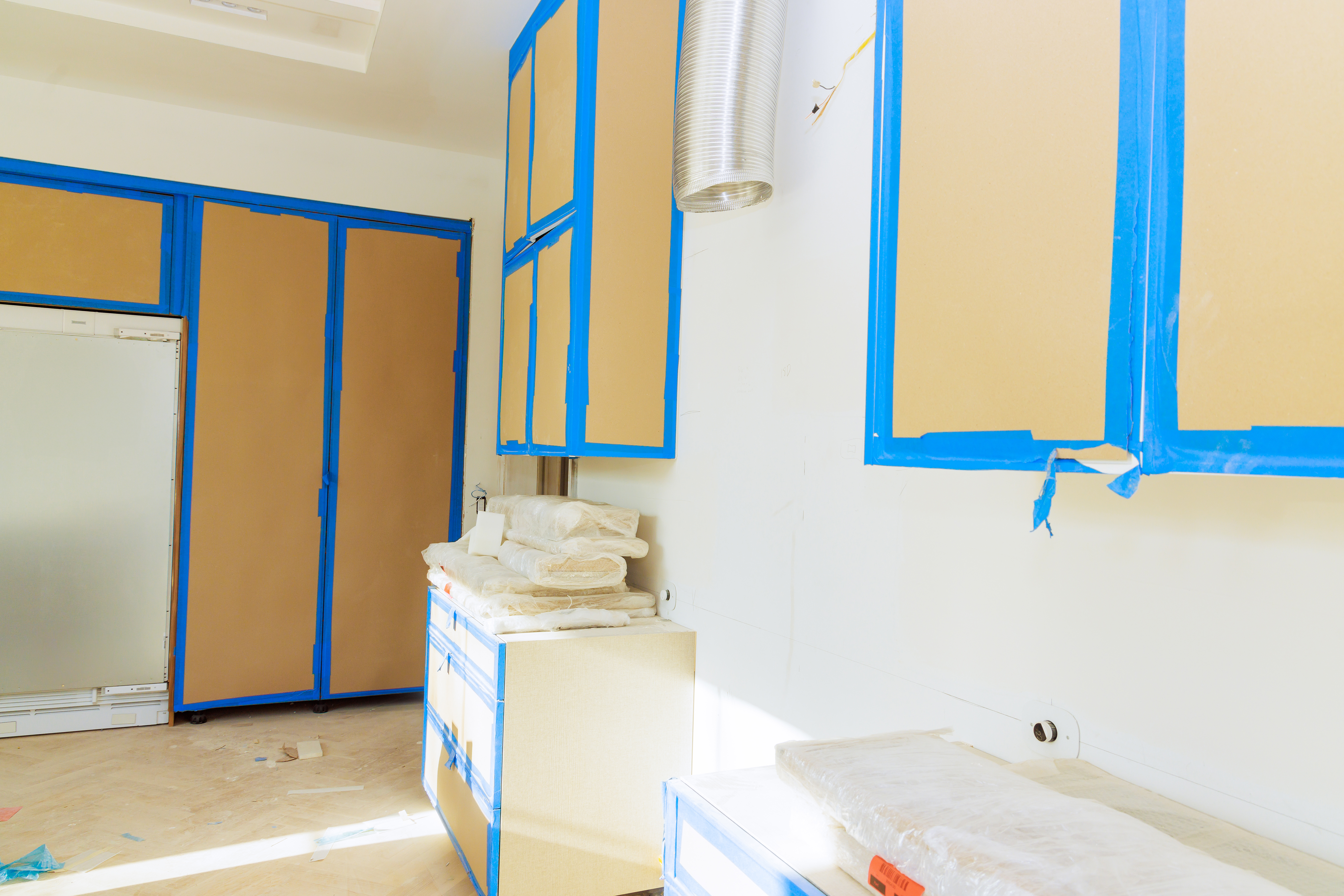
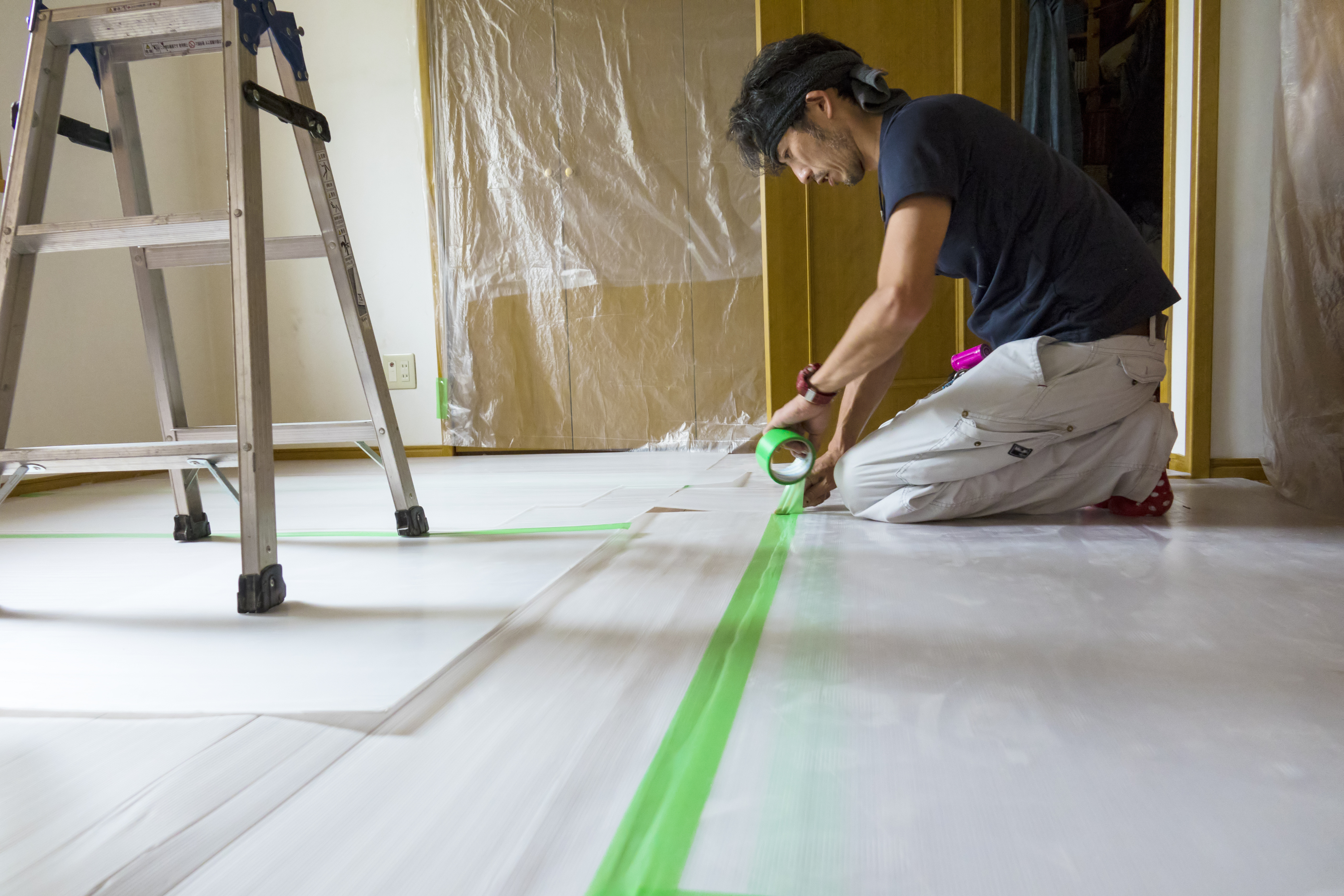
On-The-Job Training Program
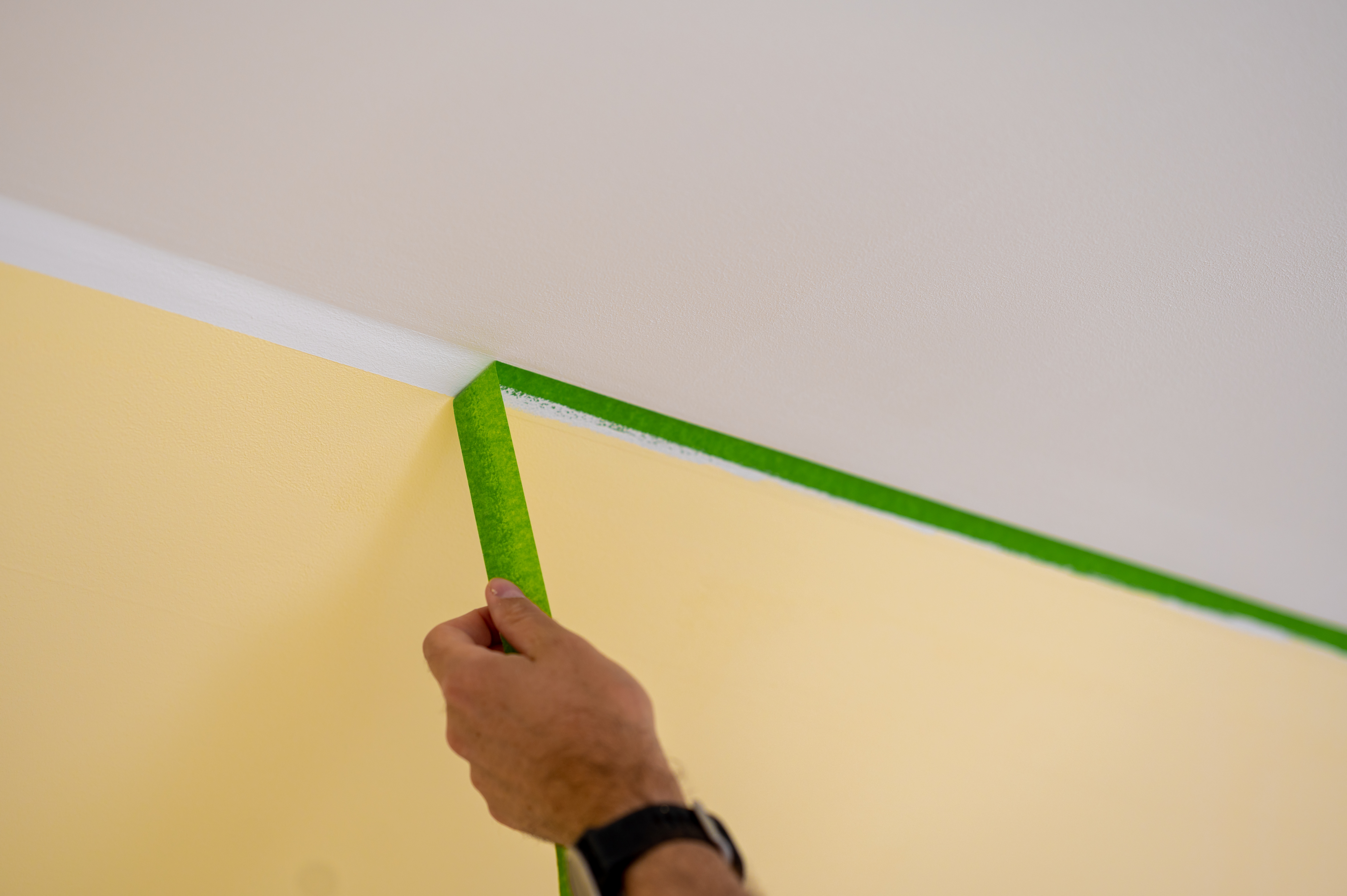
A two-week introductory paint masking program should teach participants the core mechanics of protecting surfaces, creating clean lines, preparing work areas, selecting the right masking materials, and supporting a professional paint job with precision and efficiency.
The purpose of the program is to help trainees understand that masking is not just “putting tape on things.” It is a valuable trade skill that affects quality, speed, cleanliness, safety, and customer satisfaction on residential, commercial, and industrial jobsites. By the end of the two weeks, trainees should understand how to prepare a space, identify surfaces that must be protected, apply masking materials correctly, pressure and support painters or finish crews with professional jobsite habits.
Week 1: In-Class Training & Preparation Workshops
Day 1: Introduction to paint masking, jobsite awareness, safety, and trade expectations. (4 hours)
Day 2: Basic masking techniques and protecting surfaces (3 hours)
Day 3: Advanced masking basics for - Interior painting I (4 hours)
Day 4: Advanced masking basics for - Exterior painting II (4 hours)
Day 5: Removal, cleanup, inspection, and quality control (2 hours)
Week 2: On-the-Job Training (Hands On)
Day 6-10: Applying all in-class training on jobsite (approximate 4 hours per day on jobsites)
Key teaching principle
The most important lesson in our program is this:
A safe and clean paint job begins before the first drop of paint is applied.
When trainees learn how to mask with care, precision, consistency and safety, they become valuable support on any finishing crew and build a strong foundation for more advanced painting and surface-finishing work.